Demystifying CASSI: From Celebrity Searches to Critical Chemical Citations
In the vast landscape of online information, search queries can sometimes lead to unexpected destinations. A common example involves the term "Cassi Davis." While many might be searching for details related to the esteemed actress Cassi Davis and perhaps her professional achievements, sometimes referred to as Why 'Cassi Davis Net Worth' Leads to Chemistry CASSI Guides, the very similar-sounding acronym "CASSI" (pronounced "cass-eye") serves a profoundly different, yet equally critical, purpose within the scientific community. This article aims to clarify this distinction and, more importantly, dive deep into the world of CASSI—the *Chemical Abstracts Service Source Index*—and its inseparable partner, ACS Style, the authoritative citation guide for chemistry. For anyone embarking on a journey through chemical research, understanding how to properly cite sources is as fundamental as mastering laboratory techniques. The integrity of scientific work hinges on accurate attribution, clear communication, and the ability for others to replicate or build upon findings. This is where ACS Style and the CASSI database become indispensable tools. Forget about celebrity financial figures; here, we're talking about the net worth of scientific credibility and precision.Mastering ACS Style: The Gold Standard for Chemical Communication
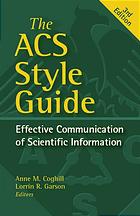
The American Chemical Society (ACS) Style Guide is the definitive manual for authors, editors, and students preparing manuscripts and theses in the chemical sciences. Established by one of the world's largest scientific societies, it provides a consistent framework for presenting scientific information, ensuring clarity, accuracy, and uniformity across publications. Adhering to ACS Style isn't just about following rules; it's about joining a global conversation where everyone speaks the same formatting language, making research accessible and verifiable.Why ACS Style is Indispensable in Chemistry
Unlike some other scientific disciplines that might lean towards APA or MLA, chemistry demands a specialized approach to citation due to its unique publication types (e.g., patents, chemical structures, spectroscopic data) and emphasis on specific journal abbreviations. ACS Style provides:
- Standardization: It ensures that all references within a chemical journal or thesis are presented uniformly, reducing ambiguity and improving readability.
- Credibility: Proper citation lends authority to your work, demonstrating that your claims are grounded in existing research and acknowledging the intellectual contributions of others.
- Ease of Access: A well-formatted reference list allows readers to quickly locate and verify the sources you've cited, facilitating deeper understanding and further research.
- Academic Integrity: Plagiarism, whether intentional or accidental, is a serious academic offense. ACS Style provides clear guidelines to ensure all borrowed ideas and data are properly attributed.
Key Elements of ACS Style Citation
ACS Style offers several different citation methods, primarily numerical or author-year, with specific formatting for the reference list. Choosing the correct style often depends on the journal or institution's requirements. Regardless of the in-text citation method, the reference list demands meticulous attention to detail.
- Journal Articles: This is arguably the most common type of source in chemistry. ACS style dictates a specific order for author names, abbreviated journal titles (crucially where CASSI comes in!), year, volume, and page numbers. For example:
Author, A. B.; Author, C. D. Abbrev. J. Title Year, Volume, Pages. - Books: Citing books requires information about authors/editors, book title, publisher, city of publication, and year.
- Websites: For online resources, you'll need the author (if available), title of the specific page, the URL, and the date accessed.
- Patents: Given their importance in industrial chemistry, patents have their own distinct citation format including the patent number and year.
Practical Tip: Always consult the latest edition of the ACS Guide to Scholarly Communication or your institution's specific guidelines. Small variations can exist, and staying updated is key.
The Indispensable CASSI: Your Gateway to Chemical Literature
While ACS Style dictates *how* you write your citations, the Chemical Abstracts Service Source Index, or CASSI, tells you *what* to write, especially concerning journal abbreviations. This database is a cornerstone for anyone dealing with chemical literature, offering a definitive list of scientific and technical publications that have been abstracted by Chemical Abstracts Service (CAS). For scientists and students, CASSI is an invaluable resource for ensuring the accuracy and consistency of their bibliographies.What Exactly is CASSI and Why Does it Matter?
CASSI is more than just a list; it's a comprehensive tool that provides:
- Standardized Abbreviations: It offers the unique, standardized abbreviation for hundreds of thousands of scientific and technical journals, monographs, and other publications. This is critical because many journals have similar titles, and a consistent abbreviation avoids confusion.
- Full Journal Titles: Along with abbreviations, CASSI provides the full, unabbreviated title, which is essential for verification.
- Publication History: It often includes details about a journal's publication history, such as changes in title, ISSN, and publishers, helping researchers track down elusive sources.
- Cross-Referencing: For sources cited in CAS databases, CASSI links to the specific publication details, making it a reliable authority.
Imagine stumbling upon a reference in an old paper with an obscure journal abbreviation. Without CASSI, deciphering the full title and tracking down the original article would be a monumental task, potentially costing hours of valuable research time. CASSI eliminates this guesswork, transforming vague references into verifiable sources.
How Researchers Utilize the CASSI Search Tool
The CASSI search tool, often available through university libraries or directly via CAS, is incredibly user-friendly. You can search by:
- Abbreviation: If you have a partial or full abbreviation, CASSI will return the full journal title and other relevant data.
- Full Title: Conversely, if you know the full title, you can find its official ACS-compliant abbreviation.
- ISSN/ISBN: These unique identifiers are the most precise way to locate a publication.
Navigating Common ACS Style Challenges and Best Practices
Even with the best guides, citing can present challenges. Here are some common pitfalls and how to avoid them:Common Pitfalls and How to Avoid Them
- Inconsistent Formatting: The biggest mistake is often inconsistency. Once you choose a citation style (e.g., numerical or author-year), stick to it rigidly throughout your document.
- Incorrect Journal Abbreviations: Relying on memory or non-CASSI sources for journal abbreviations is a recipe for errors. Always use the CASSI database to confirm.
- Missing Information: Double-check that all required components for each source type (authors, year, volume, pages, DOI, URL, access date) are present. A single missing piece can render a citation useless.
- Citing Secondary Sources Incorrectly: Ideally, cite primary sources. If you must cite a secondary source, make sure you understand ACS's specific rules for doing so, often indicating "as cited in..."
- Over-reliance on Citation Generators: While useful for quick formatting, citation generators are not foolproof. Always manually review their output against the official ACS Style Guide.
Best Practices for Meticulous Citation
To ensure your citations are flawless and enhance your academic standing:
- Start Early: Don't wait until the end of your project to compile references. Build your reference list as you write.
- Use Reference Management Software: Tools like Zotero, Mendeley, or EndNote can automate much of the formatting, significantly reducing errors and saving time. Just remember to verify their output.
- Keep Organized Notes: When conducting research, meticulously record all citation details for every source you consult.
- Proofread Rigorously: Treat your reference list with the same scrutiny you apply to your experimental data and discussion sections. Even minor typos can hinder a reader's ability to find your sources.
- Seek Guidance: If in doubt, consult your professor, a librarian specializing in chemistry resources, or the ACS Style Guide itself.
